
E-invoices help prevent invoice fraud
Dec 11, 2025
(An article produced with Äripäev Financial News)
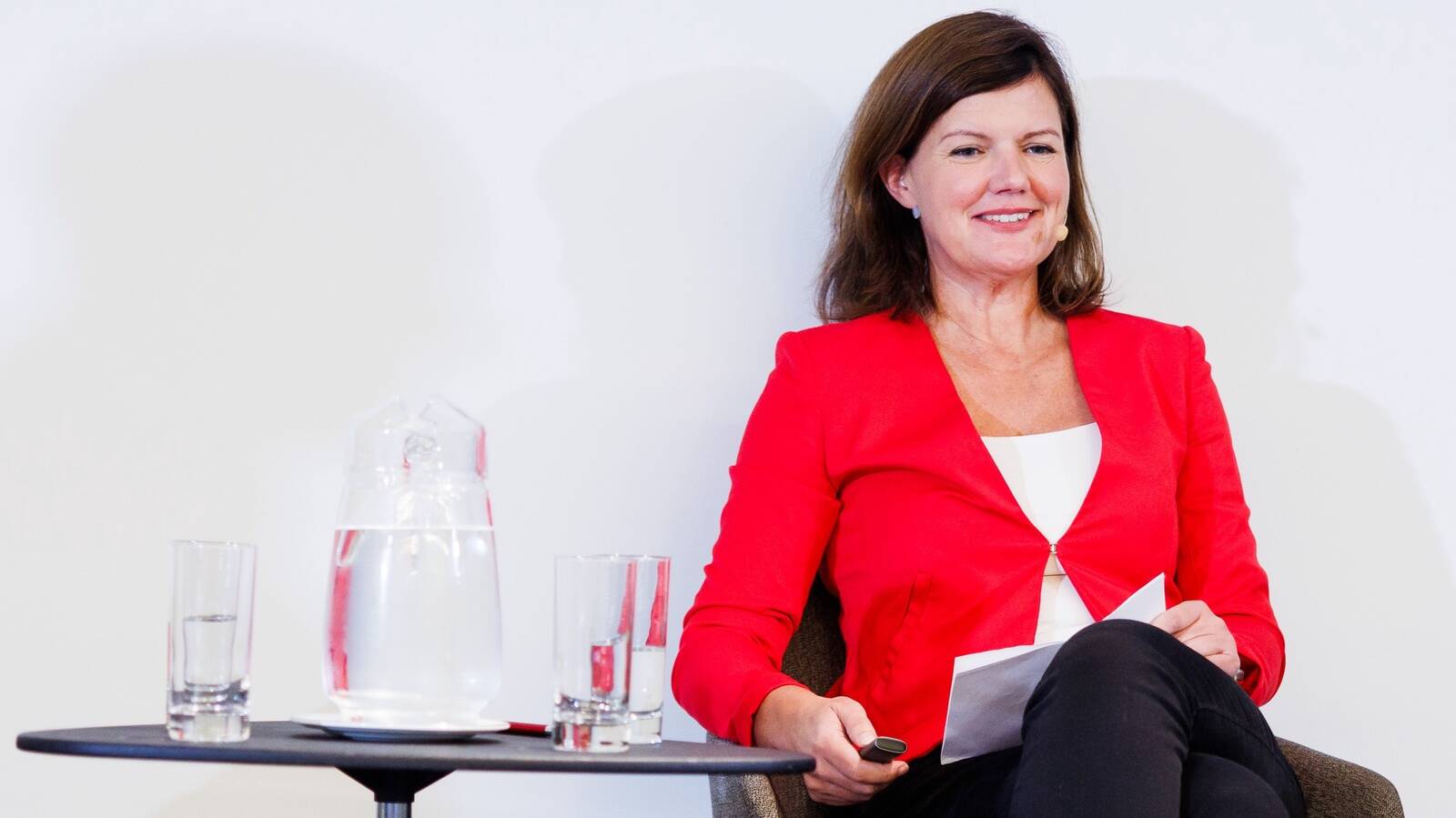
For Hele Hammer, Lead Lecturer of the EBS Financial Management Development Programme, spreading best practices in financial management is a personal mission.
One of the simplest ways to prevent fraud and create more effective control mechanisms is to move from PDF invoices to e-invoices in a clear and consistent manner. This is not merely a technological upgrade, but a change that significantly improves the quality, manageability and security of financial processes.
“PDF invoices reach the finance team inconsistently, get stuck in inboxes or require extensive manual work — all of which increases the risk of errors, delays and fraud. With e-invoices, information enters the system in a structured, up-to-date and controlled way, giving the CFO the ability not just to monitor the process but to truly manage it,” Hammer explains when highlighting the key advantages of e-invoices.
Control happens automatically and immediately
When asked to name the greatest advantage of an e-invoice over a PDF, Hammer highlights the assurance that the invoice has been sent by an authorised sender through secure channels. No more dubious invoices from generic “Office Supplies Co” that easily escape notice. In addition, because supplier-entered data reaches the system accurately and in a machine-readable format, the system — not the user — can perform a wide range of pre-checks.
With e-invoices, the system validates registration and VAT numbers, detects duplicate invoices and verifies that all mandatory fields are present and correctly formatted. As a result, invoices reaching the approval workflow are already in good order, making the process far smoother. AP automation systems also compare the bank account number on the invoice with the supplier master data in the ERP and flag any discrepancies. This ensures that no funds are routed to unauthorised or mismatched accounts, strengthening financial controls and safeguarding company assets.
“The more advanced systems can compare purchase invoice lines with purchase orders and goods receipts, highlighting any discrepancies. Up to 80% of purchase invoices typically match, and in such cases no human intervention is needed — only exceptions are handled. This creates not only greater security but also very significant savings in time and therefore money,” Hammer explains.
Greater transparency and easier audits
Beyond improved control mechanisms, e-invoices offer another major advantage: every step is automatically and systematically recorded. Logs show who approved the invoice, when changes were made, which rules were applied and what workflow was used. Everything is clearly traceable and does not rely on explanations reconstructed from memory.
In PDF-based processes, this level of transparency is often partial or missing entirely, turning audit preparation into a time-consuming puzzle. With e-invoices, the CFO can rely on facts and concrete data — audits become faster, more accurate and far less stressful.
Hammer adds that collaboration with partners also becomes much clearer thanks to e-invoices: “A standardised format means the supplier, buyer and auditor all see the data in the same way. This reduces disputes, room for interpretation and repeated questions.” A consistent data set also enables more accurate forecasting, as the underlying information is comparable and unambiguous.
E-invoices as a fraud-prevention tool
Hele Hammer emphasises that spreading best practices in financial management often starts with a very simple step: giving finance teams tools that truly help keep data accurate and processes secure. E-invoices are one of the clearest and most effective examples.
E-invoices create a unified and transparent framework for invoicing — data enters the system in the correct form, rules apply automatically, and the need for manual corrections disappears. This digital precision is critical for fraud prevention. When rules apply consistently and workflows are well-designed, automated checks can identify duplicate invoices, missing data and unusual patterns several steps earlier than a human would notice. Risks decrease significantly, and the entire process remains under control even during peak periods.
According to Hammer, adopting e-invoices is not merely a technical convenience, but a sign of a mature financial culture. When underlying data is correct and workflows are transparent, CFOs have more room to focus on what truly creates value for the organisation: analyses, forecasts and decisions. The focus shifts from routine data entry to real management — exactly where it belongs.
Check out our related blogpost: “e-Invoicing: A safer alternative to risky PDF invoices“